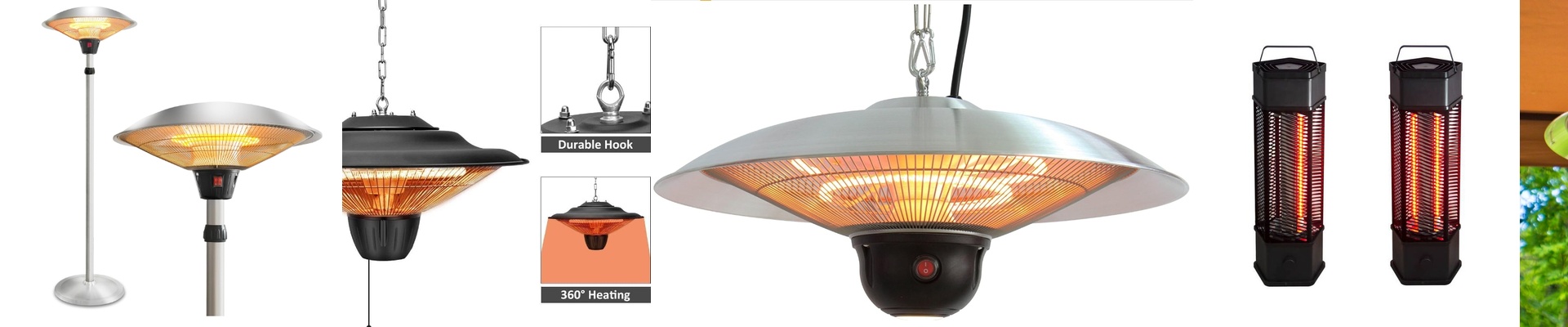


If you’re living with allergies, the wrong heater can turn a comfortable room into a problem spot. Forced-air systems stir up dust, dry out the air, and kick settled particles back into the room. The payoff is often sneezing, itchy eyes, and nights that never settle. Infrared space heaters take a different path. They warm people and objects directly, without moving air, so the air itself stays undisturbed.
What matters under the hood
Infrared warmth starts with the emitter. Quartz tubes and carbon fiber elements come up to temperature fast, then deliver a directional radiant heat that feels natural—think of standing near a sunlit wall. These units run without a fan, so there’s no blower to spread dust. You’ll find adjustable thermostats and multiple heat settings on many models, which lets you match output to the room and the moment. For safety, look for tip-over protection. For the right fit in damp spots, check the IP rating against the room’s moisture level. In practice, you get heat that arrives quickly, quietly, and with zero air movement.
Why this approach works
For allergy-prone households, comfort is about purity and stability. Infrared heating doesn’t dry out the air or lift particulates, so indoor air stays calm and clean. You feel the warmth almost instantly, and the steady radiant heat supports consistent comfort without the jolt of cycling fans. That matters in living rooms, bedrooms, and sunrooms—places where quiet, clean heat makes the difference between irritation and ease. The upshot is a space where breathing feels easier and the environment stays undisturbed.
What to keep in mind
Position is key. Place the infrared heater to face the main seating area, with a clear line of sight. Radiant heat warms what it reaches, so how you aim it directly affects comfort. Most models plug into standard outlets, but higher-wattage units may need a dedicated circuit. Since infrared doesn’t heat the air, rooms with high ceilings may require a larger model or some supplemental air-side balancing. For the best fit, match wattage to room size, and check cord length and plug type before you buy.