

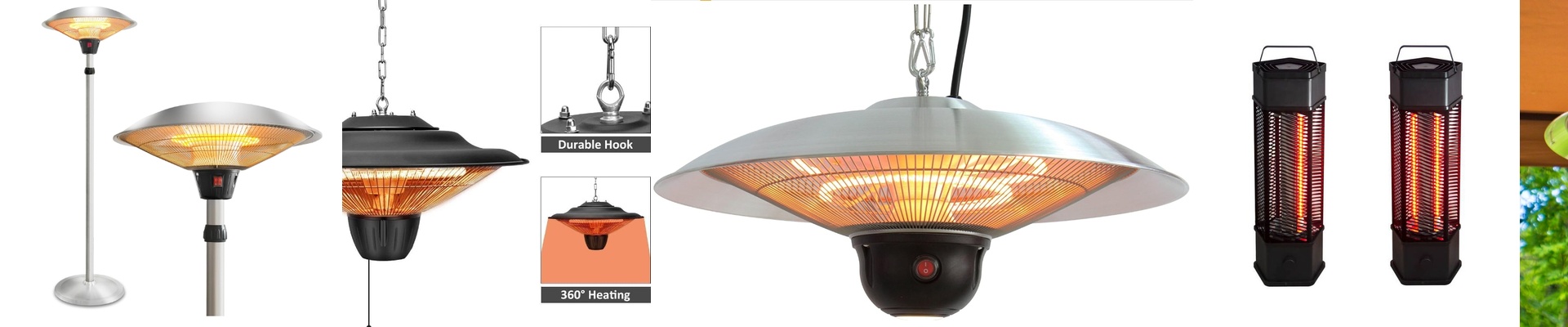


Stop Throwing Away Your Outdoor Heaters
Let’s be honest: outdoor heaters live a brutal life. Between the rain, the dust, and those wild temperature swings, they take a beating. Eventually, the heating elements just give out. It happens. The real question is: when that happens five years from now, are you going to spend your whole afternoon fighting with a screwdriver, or are you just going to toss the entire machine in the scrap heap because it’s too much trouble to fix?
The Secret to a “Quick Fix”
We build our heaters to IP65 standards, which is just a fancy way of saying we keep the water and grit out of the electronics. Usually, that means the unit is sealed shut like a vault. Great for the rain, but a total nightmare if you actually need to get inside. So, we did something different. We used a modular heating block. Instead of soldering everything together in a permanent mess, we use plug-and-play connectors. If a tube burns out, you don’t have to rewire the whole thing. You just pop the panel, unplug the dead module, and slide in a fresh one. It turns a four-hour headache into a ten-minute swap.Fast. Simple. Done.
The Catch (Because there’s always one)
Now, here’s the thing. When you add more connection points, you create more places for water to sneak in. To keep that IP65 seal tight, we use compression gaskets and sealed cable glands. It works great, but you have to be careful. When you’re swapping a module, make sure the gaskets are seated perfectly. If you pinch the seal, the protection is gone, and moisture will find its way to the terminals. Just take an extra second to make sure it’s flush.
Keeping the Heat On
At the end of the day, filaments fail. Whether you’re using shortwave or halogen, it’s just physics. By making the footprint modular, we took the pressure off the specialized technicians. You don’t need a degree in electrical engineering to fix this. A facility manager can just keep a few spare tubes in the warehouse, plug one in, and get the patio warm again in seconds. It’s just a practical way to build hardware that’s meant to survive the elements.