

Keeping Outdoor Changing Areas Warm (Without the Wait)
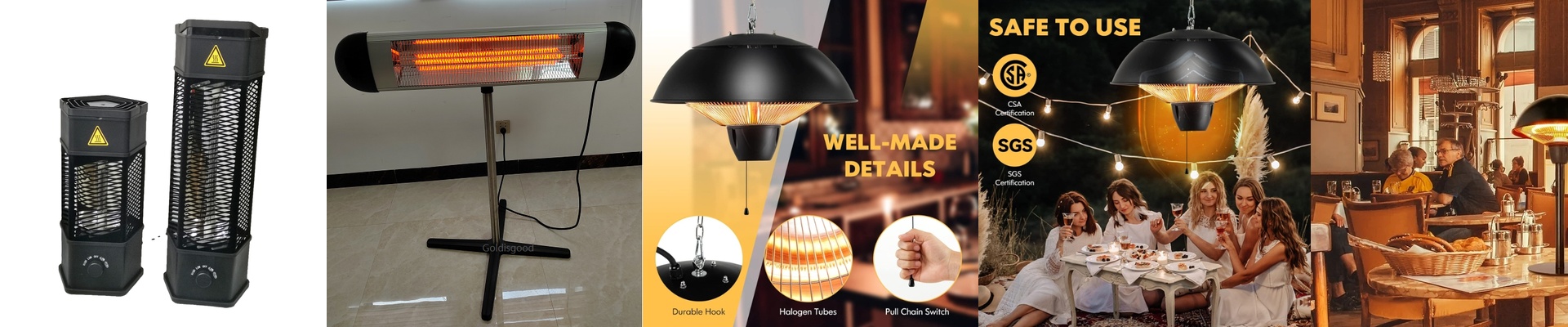
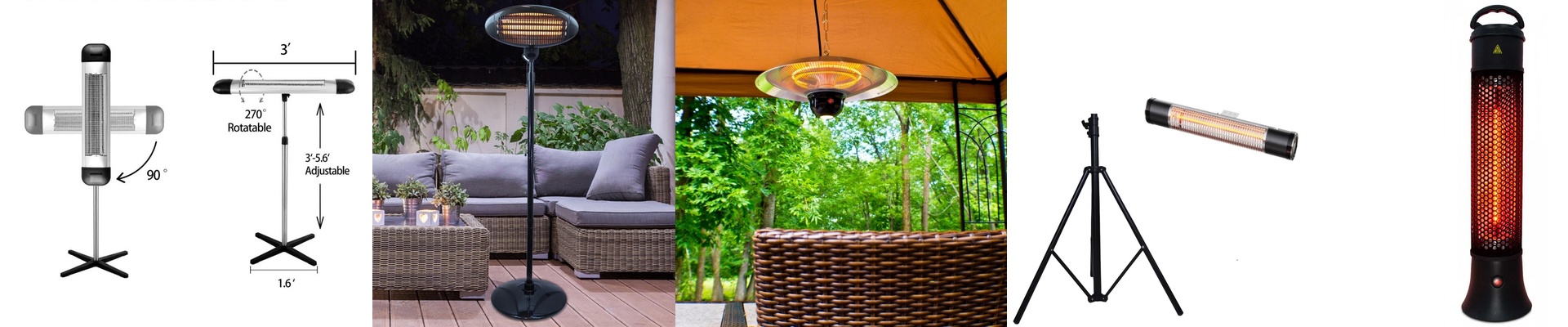
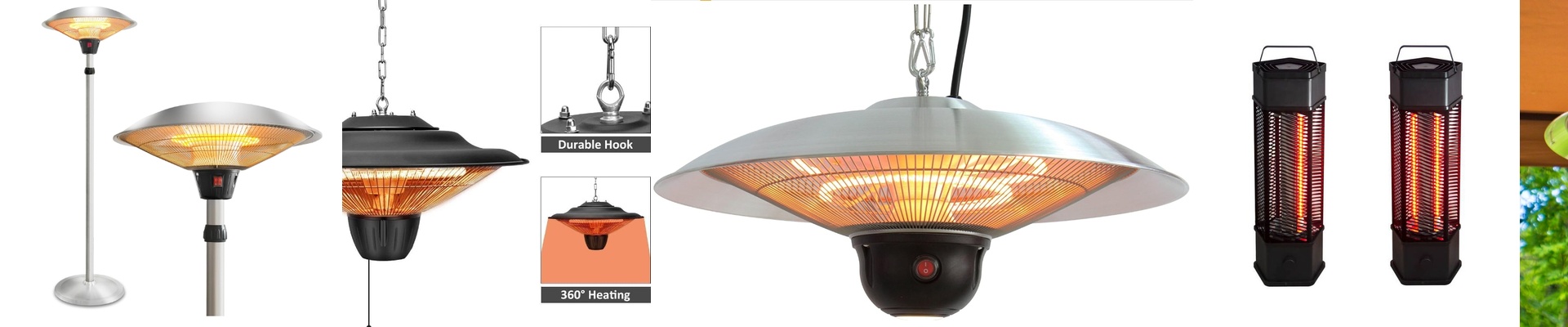
Ever stepped into a freezing outdoor changing room and wished you could just… be warm? Right now. Most heaters try to warm up the air. That’s a losing battle outdoors. Instead, we use shortwave infrared. Think of it like the sun. It doesn’t heat the air between you and the sky; it hits your skin directly. You feel that glow the second you step under the lamp, even if the air around you is still biting. Why it’s so fast We use a tungsten filament inside a quartz tube. The beauty of this setup is that it doesn’t need to “warm up.” There’s no waiting for oil to heat up or a fan to kick in. It’s basically instant. For someone shivering in a changing area, that immediate hit of heat is everything. Built for the elements Outdoor gear takes a beating. Rain, humidity, dust—it’s a mess. That’s why we stick to an IP65 rating. In plain English? The “6” means dust can’t get inside. The “5” means it can handle water jets hitting it from any angle. You can install these in semi-exposed spots and actually sleep at night knowing a bit of rain isn’t going to fry the internals or cause a short. A few things to keep in mind Now, this kind of heat is intense, so you can’t just slap them anywhere. If you hang them too low, it’s not “cozy”—it’s uncomfortable. You might even overheat the surfaces below. We always suggest double-checking the “throw distance” based on the wattage. You want a nice, even blanket of warmth, not a scorching hotspot. Also, keep an eye on your electrical panel. When a few of these high-wattage units kick on at once, they pull a decent amount of power. Just make sure your wiring can handle the load before you flip the switch.